PolyU–Wuxi Mental Health Center Brain-Computer Interface Joint Laboratory Project Meeting Successfully Held in Wuxi
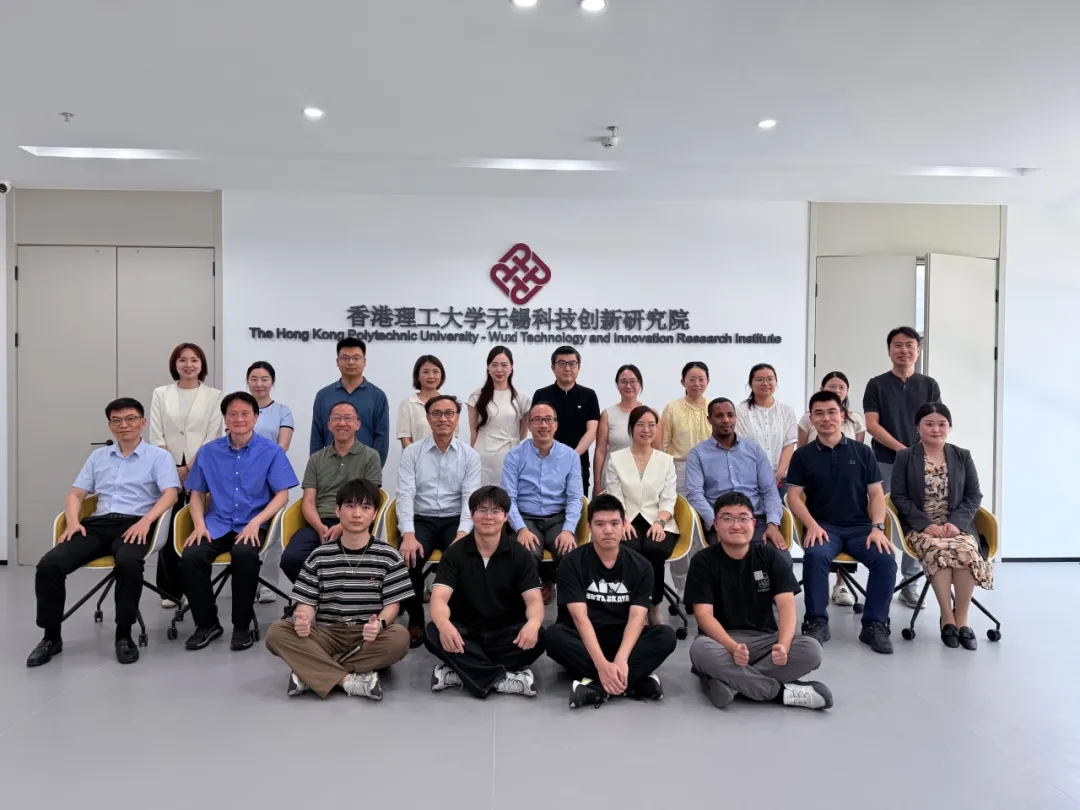
On 1 June 2026, the Hong Kong Polytechnic University–Wuxi Mental Health Center Brain-Computer Interface Joint Laboratory Project Meeting was successfully held in Wuxi.
The event brought together more than 30 experts, scholars, clinicians, and industry representatives from The Hong Kong Polytechnic University, PolyU-Wuxi Technology and Innovation Research Institute, Wuxi Mental Health Center, University of Macau, Shanghai Normal University, and industry partners. Participants engaged in in-depth discussions on the clinical translation of brain-computer interface, neuromodulation, artificial intelligence, and related healthcare technologies.
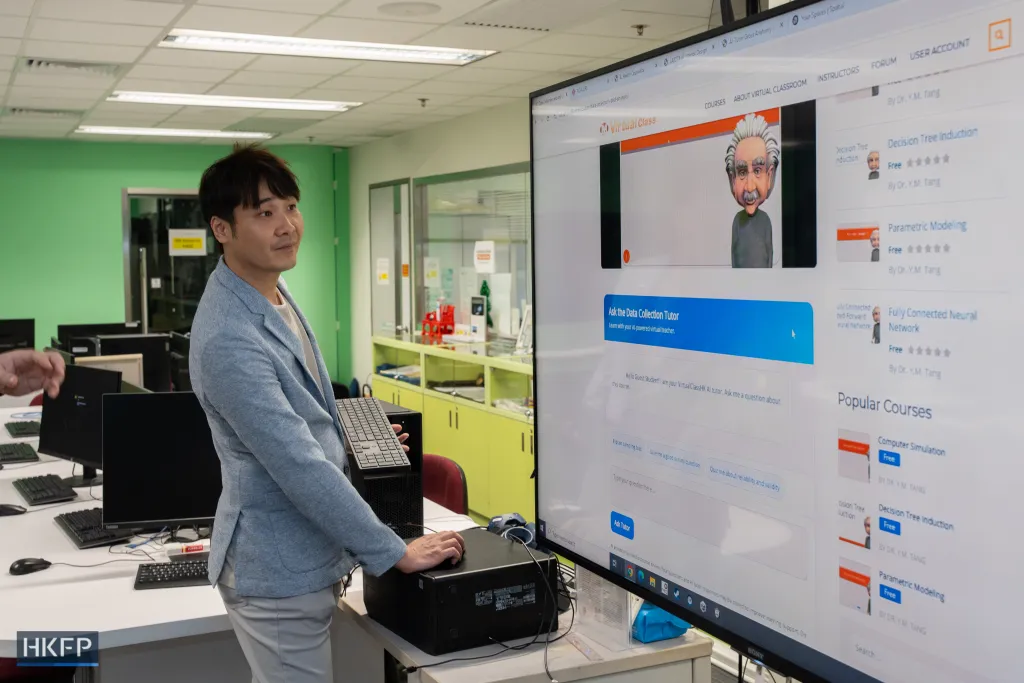
Representing RIVRT, Dr. Mohammed Woyeso Geda, Postdoctoral Researcher at The Hong Kong Polytechnic University, delivered an invited academic presentation on the interdisciplinary applications of artificial intelligence, virtual reality, children’s vision training, and affective computing.
Showcasing RIVRT’s Interdisciplinary Research in AI and VR Healthcare Applications
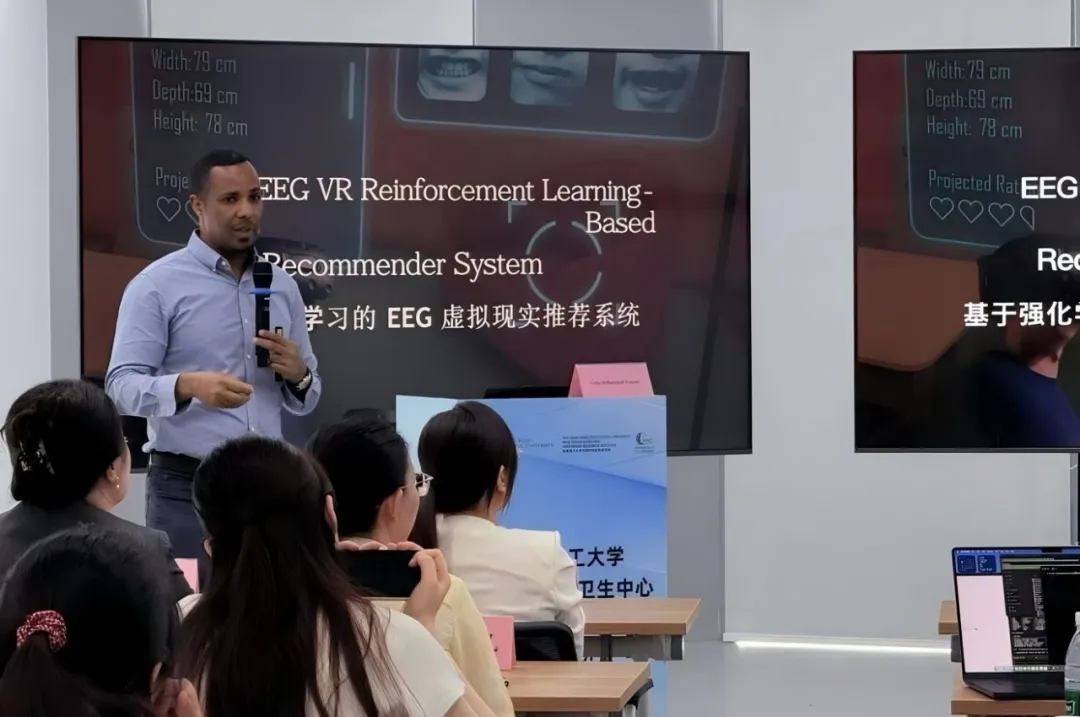
During the academic sharing session, Dr. Geda presented RIVRT’s latest research progress in applying AI-driven technologies and VR-based systems to healthcare and human-centered applications.
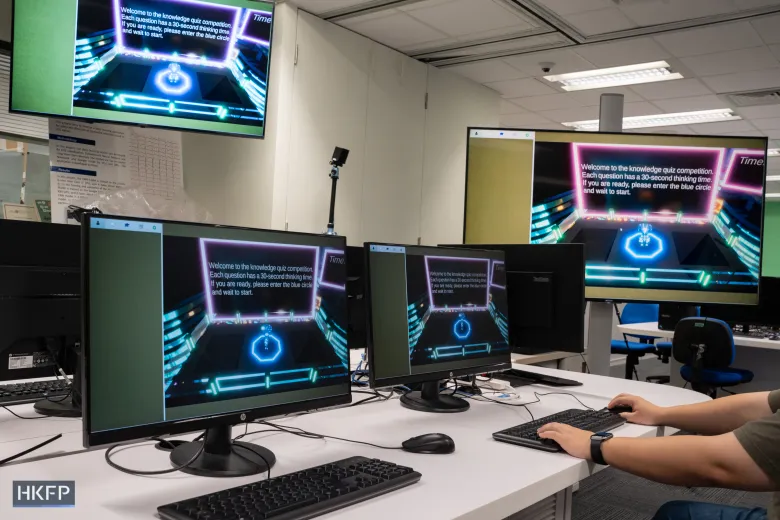
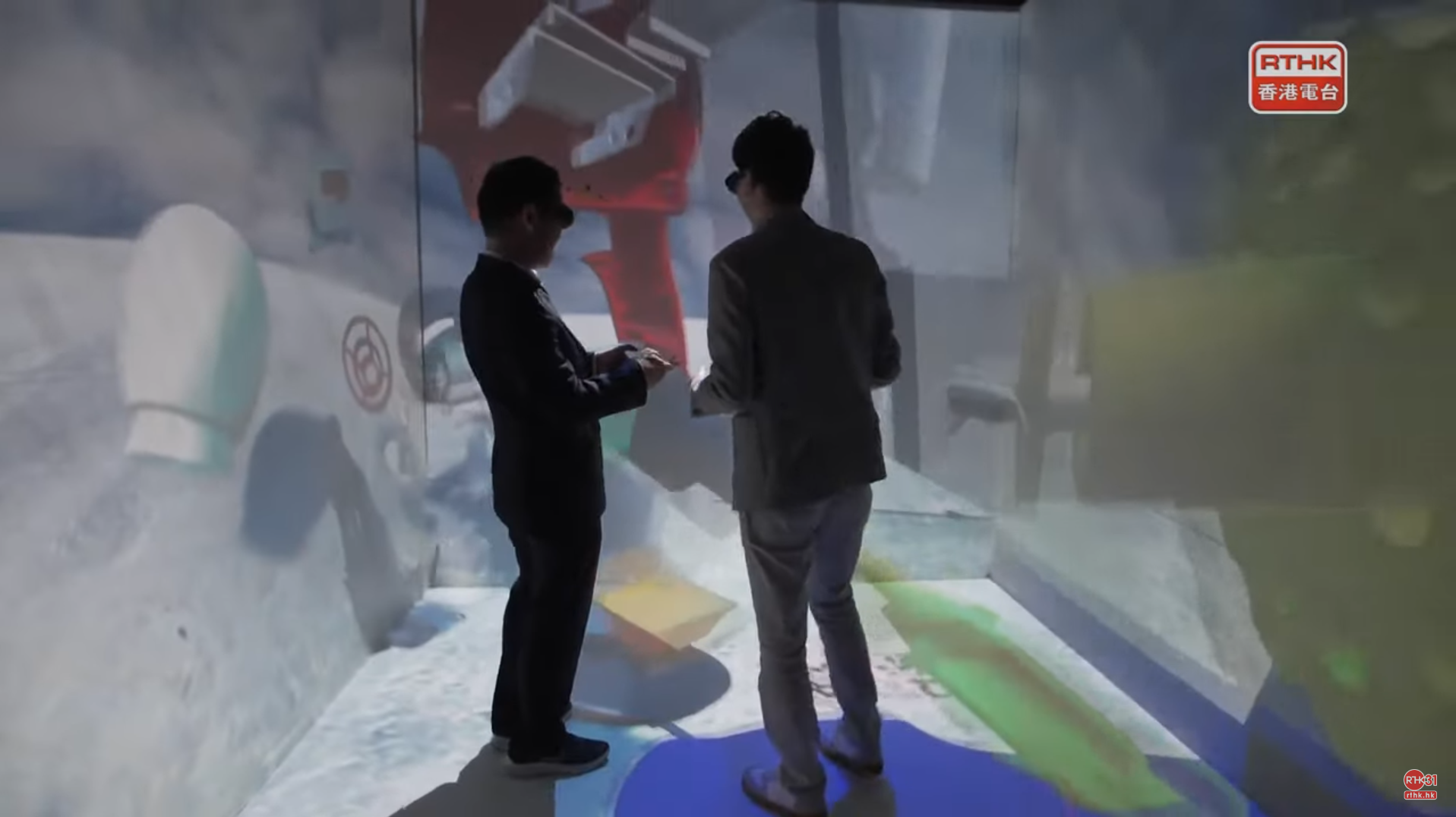
His presentation highlighted the team’s development of the VISI system, which integrates virtual reality hardware with artificial intelligence algorithms to support non-invasive vision training for children. The system aims to provide innovative intervention approaches for children with visual conditions such as:
- Myopia
- Strabismus
- Amblyopia
By combining immersive VR environments with AI-based analysis, the VISI system demonstrates RIVRT’s ongoing effort to translate advanced technologies into practical, user-centered healthcare solutions.
Dr. Geda also introduced the team’s exploration of affective computing, emphasizing how AI can be used to better understand users’ emotional and cognitive states. This direction aligns closely with RIVRT’s broader research mission in artificial intelligence, extended reality, digital health, and human-centered design.
Connecting AI, Virtual Reality, and Brain-Computer Interface Research
Although the meeting focused on brain-computer interface and neuromodulation technologies, Dr. Geda’s presentation provided an important complementary perspective by demonstrating how AI and VR systems can contribute to future clinical and rehabilitation applications.
His sharing illustrated the potential of combining:
- Artificial intelligence
- Virtual reality
- Affective computing
- Human-centered healthcare design
- Clinical translation
These technologies can support more personalized, adaptive, and accessible healthcare interventions, particularly for children and other users requiring non-invasive and engaging training environments.
Through Dr. Geda’s presentation, RIVRT showcased its commitment to interdisciplinary innovation and its active contribution to the development of intelligent healthcare technologies.
Building a Full-Chain Innovation Platform for Brain Science and Healthcare
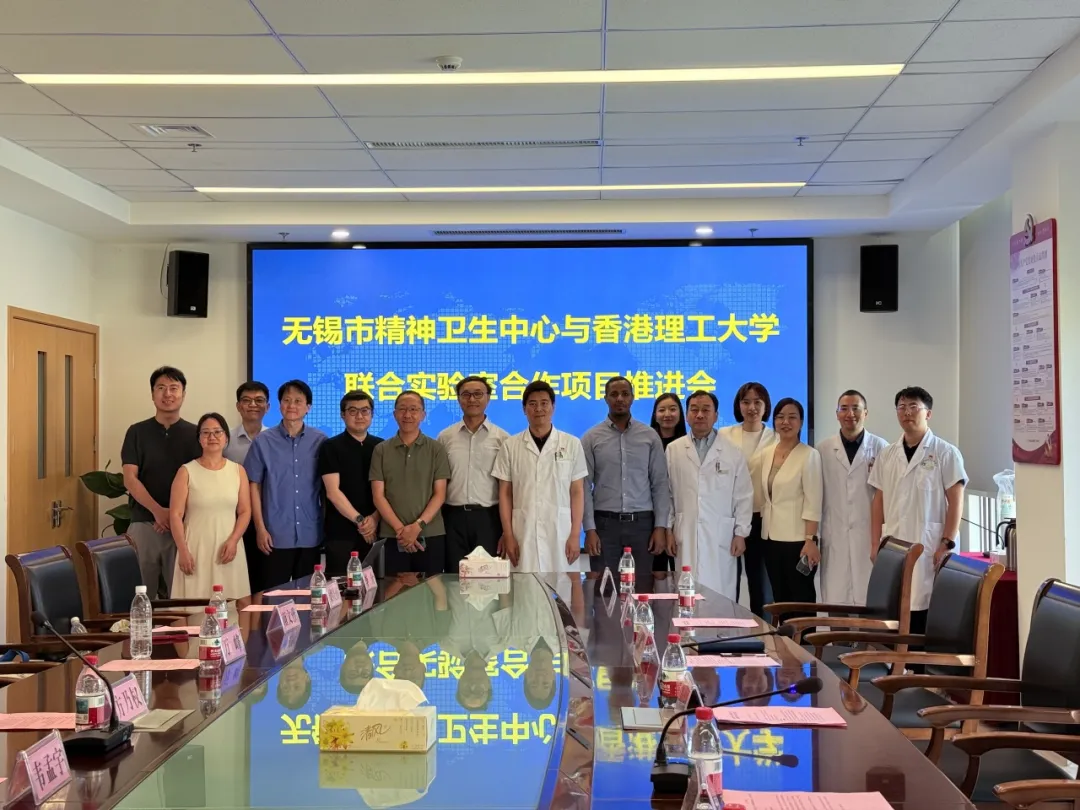
The meeting opened with remarks by Professor Li Mingyuan, Vice President of the PolyU-Wuxi Technology and Innovation Research Institute, Chair Professor of Biomedical Sciences at the Department of Food Science and Nutrition of The Hong Kong Polytechnic University, and Director of the BGI Global Ocean Resource Genome and Synthetic Biology Joint Research Center.
Professor Li emphasized that the establishment of the joint laboratory provides a full-chain innovation platform integrating:
- Fundamental research
- Clinical translation
- Industrial application
He noted that the platform will help advance the implementation of brain science technologies in mental health, neurorehabilitation, and related clinical fields.
Academic Exchange on Brain-Computer Interface and Neuromodulation
In addition to Dr. Geda’s presentation, experts from participating universities and clinical institutions shared their latest research on brain-computer interface algorithms, neurofeedback, portable EEG systems, stroke rehabilitation, non-invasive neuromodulation, cognitive-motor integration, and adolescent mental health.
The presentations covered a wide range of topics, including:
- BCI algorithms for direct brain-computer interaction
- Neurofeedback for cognitive enhancement and clinical intervention
- Portable ear-EEG systems for long-term monitoring
- Closed-loop BCI systems for stroke rehabilitation
- Non-invasive neuromodulation for post-stroke recovery
- Cognitive-motor dual-modal BCI systems
- AI-driven adolescent mental health early-warning platforms
Together, these academic exchanges provided a comprehensive overview of the latest advances in brain science, neurotechnology, clinical rehabilitation, and intelligent healthcare.
In-Depth Discussion and Site Visit
Following the academic presentations, participants joined a free discussion session with multiple thematic discussion zones. Experts exchanged views on future collaboration, clinical needs, research directions, and technology translation pathways.
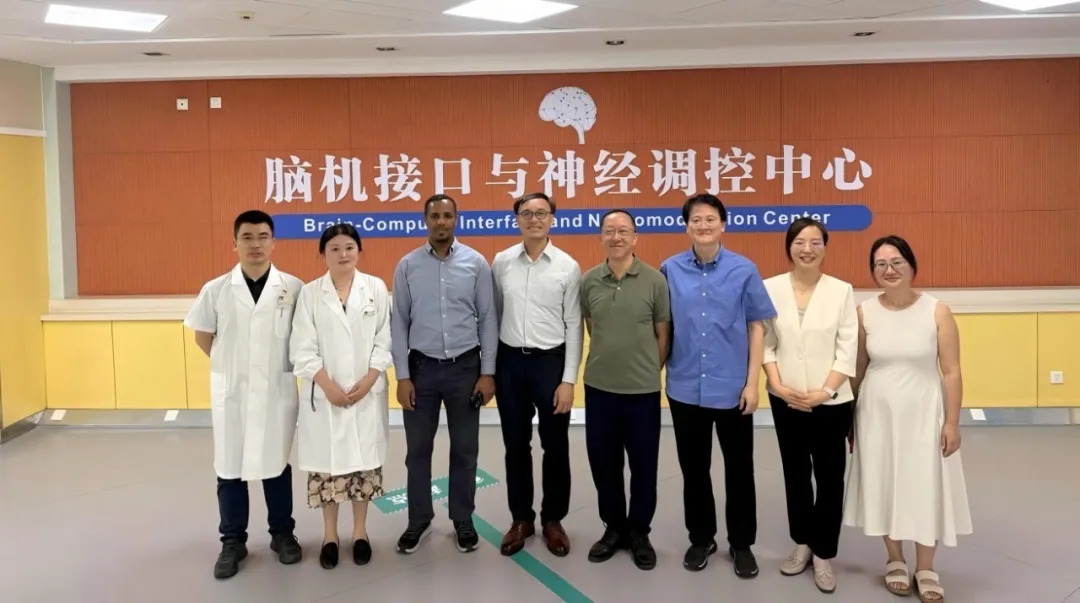
The delegation also visited the Brain-Computer Interface and Neuromodulation Center under Wuxi Central Rehabilitation Hospital. The center focuses on the translational application of BCI technologies in neurorehabilitation and mental health treatment, supported by the hospital’s clinical resources.
During the visit, participants learned about the center’s hardware facilities and clinical research progress. The center’s strong capacity for translating frontier technologies into clinical practice was highly recognized by attending experts.