Archives June 2026

PolyU–Wuxi Mental Health Center Brain-Computer Interface Joint Laboratory Project Meeting Successfully Held in Wuxi
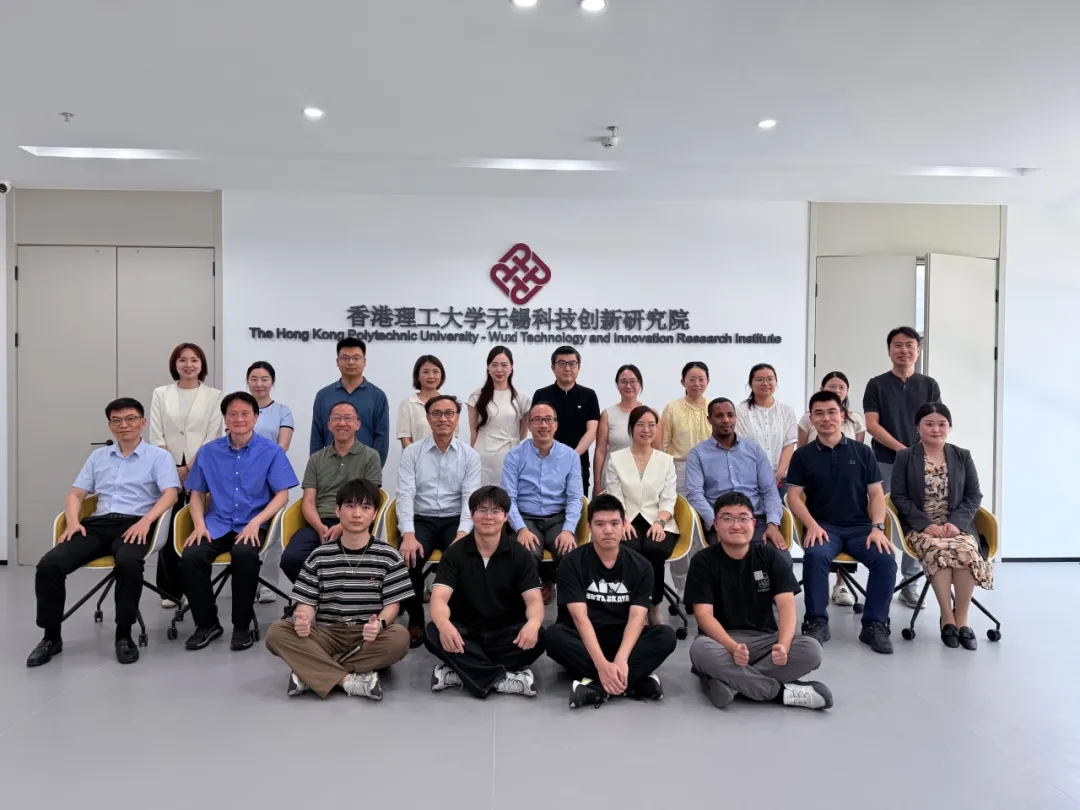
On 1 June 2026, the Hong Kong Polytechnic University–Wuxi Mental Health Center Brain-Computer Interface Joint Laboratory Project Meeting was successfully held in Wuxi.

The event brought together more than 30 experts, scholars, clinicians, and industry representatives from The Hong Kong Polytechnic University, PolyU-Wuxi Technology and Innovation Research Institute, Wuxi Mental Health Center, University of Macau, Shanghai Normal University, and industry partners. Participants engaged in in-depth discussions on the clinical translation of brain-computer interface, neuromodulation, artificial intelligence, and related healthcare technologies.

Representing RIVRT, Dr. Mohammed Woyeso Geda, Postdoctoral Researcher at The Hong Kong Polytechnic University, delivered an invited academic presentation on the interdisciplinary applications of artificial intelligence, virtual reality, children’s vision training, and affective computing.


Showcasing RIVRT’s Interdisciplinary Research in AI and VR Healthcare Applications
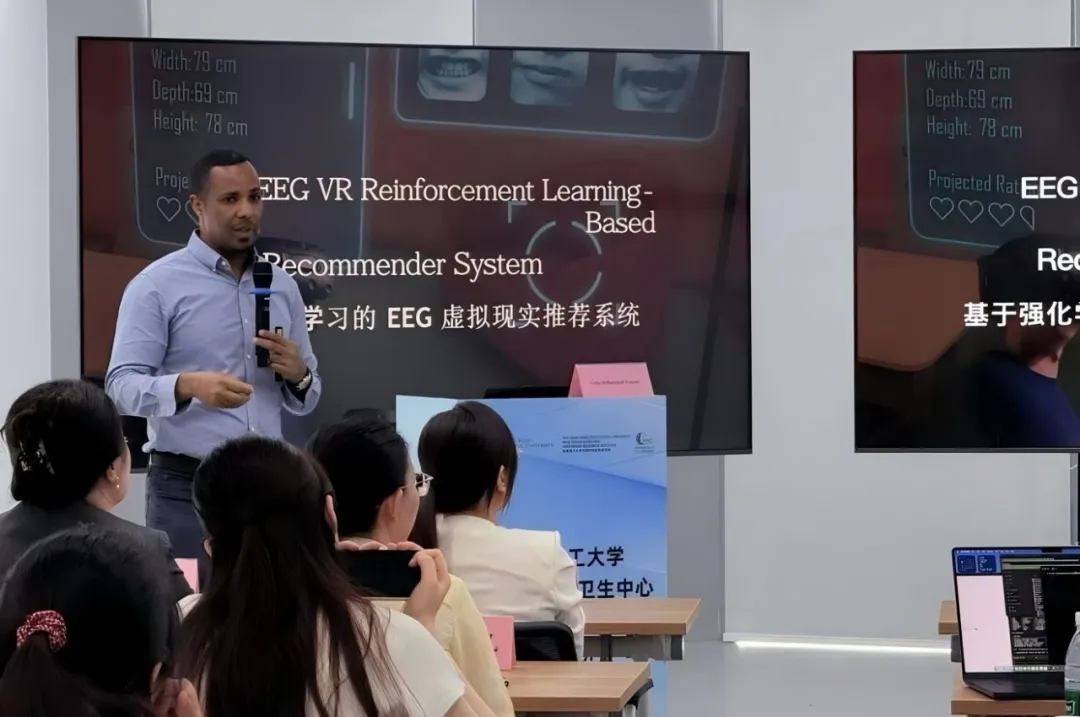
During the academic sharing session, Dr. Geda presented RIVRT’s latest research progress in applying AI-driven technologies and VR-based systems to healthcare and human-centered applications.

His presentation highlighted the team’s development of the VISI system, which integrates virtual reality hardware with artificial intelligence algorithms to support non-invasive vision training for children. The system aims to provide innovative intervention approaches for children with visual conditions such as:

  • Myopia
  • Strabismus
  • Amblyopia

By combining immersive VR environments with AI-based analysis, the VISI system demonstrates RIVRT’s ongoing effort to translate advanced technologies into practical, user-centered healthcare solutions.

Dr. Geda also introduced the team’s exploration of affective computing, emphasizing how AI can be used to better understand users’ emotional and cognitive states. This direction aligns closely with RIVRT’s broader research mission in artificial intelligence, extended reality, digital health, and human-centered design.


Connecting AI, Virtual Reality, and Brain-Computer Interface Research

Although the meeting focused on brain-computer interface and neuromodulation technologies, Dr. Geda’s presentation provided an important complementary perspective by demonstrating how AI and VR systems can contribute to future clinical and rehabilitation applications.

His sharing illustrated the potential of combining:

  • Artificial intelligence
  • Virtual reality
  • Affective computing
  • Human-centered healthcare design
  • Clinical translation

These technologies can support more personalized, adaptive, and accessible healthcare interventions, particularly for children and other users requiring non-invasive and engaging training environments.

Through Dr. Geda’s presentation, RIVRT showcased its commitment to interdisciplinary innovation and its active contribution to the development of intelligent healthcare technologies.


Building a Full-Chain Innovation Platform for Brain Science and Healthcare
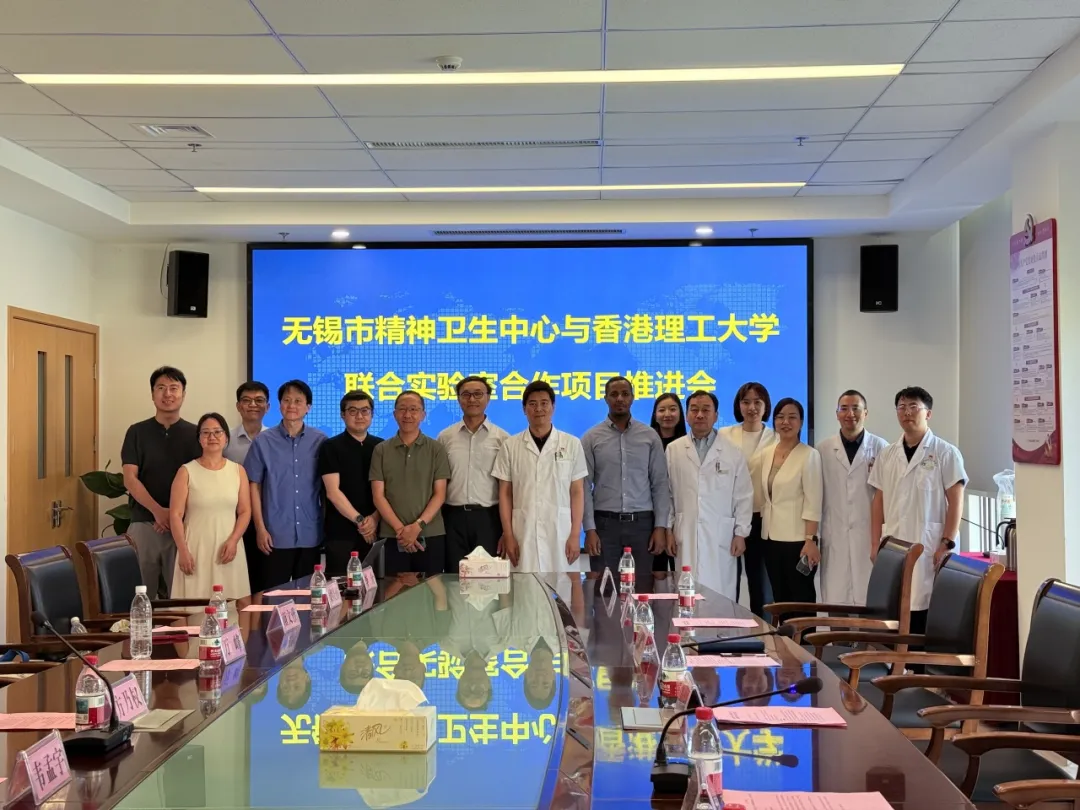
The meeting opened with remarks by Professor Li Mingyuan, Vice President of the PolyU-Wuxi Technology and Innovation Research Institute, Chair Professor of Biomedical Sciences at the Department of Food Science and Nutrition of The Hong Kong Polytechnic University, and Director of the BGI Global Ocean Resource Genome and Synthetic Biology Joint Research Center.

Professor Li emphasized that the establishment of the joint laboratory provides a full-chain innovation platform integrating:

  • Fundamental research
  • Clinical translation
  • Industrial application

He noted that the platform will help advance the implementation of brain science technologies in mental health, neurorehabilitation, and related clinical fields.


Academic Exchange on Brain-Computer Interface and Neuromodulation
In addition to Dr. Geda’s presentation, experts from participating universities and clinical institutions shared their latest research on brain-computer interface algorithms, neurofeedback, portable EEG systems, stroke rehabilitation, non-invasive neuromodulation, cognitive-motor integration, and adolescent mental health.

The presentations covered a wide range of topics, including:

  • BCI algorithms for direct brain-computer interaction
  • Neurofeedback for cognitive enhancement and clinical intervention
  • Portable ear-EEG systems for long-term monitoring
  • Closed-loop BCI systems for stroke rehabilitation
  • Non-invasive neuromodulation for post-stroke recovery
  • Cognitive-motor dual-modal BCI systems
  • AI-driven adolescent mental health early-warning platforms

Together, these academic exchanges provided a comprehensive overview of the latest advances in brain science, neurotechnology, clinical rehabilitation, and intelligent healthcare.


In-Depth Discussion and Site Visit

Following the academic presentations, participants joined a free discussion session with multiple thematic discussion zones. Experts exchanged views on future collaboration, clinical needs, research directions, and technology translation pathways.

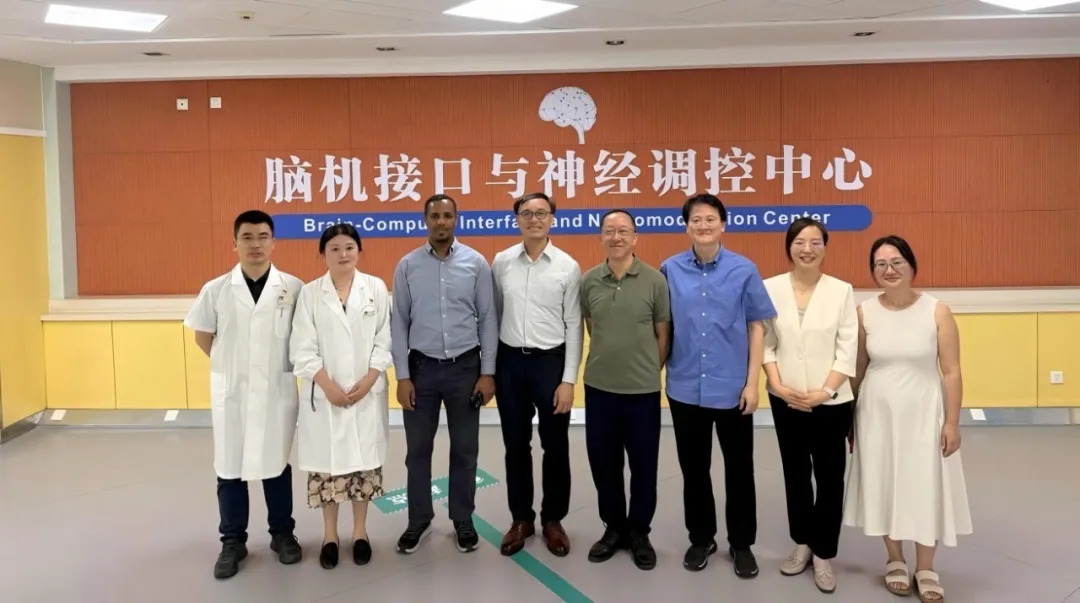
The delegation also visited the Brain-Computer Interface and Neuromodulation Center under Wuxi Central Rehabilitation Hospital. The center focuses on the translational application of BCI technologies in neurorehabilitation and mental health treatment, supported by the hospital’s clinical resources.

During the visit, participants learned about the center’s hardware facilities and clinical research progress. The center’s strong capacity for translating frontier technologies into clinical practice was highly recognized by attending experts.
Tang Yuk-ming

Rethinking Higher Education in the Age of AI

Generative artificial intelligence is rapidly changing the way universities teach, assess, and support student learning. A recent feature by Hong Kong Free Press, titled “Hong Kong academia rethinking higher education as AI disrupts teaching and learning,” explores how academics across Hong Kong are adapting to this shift and rethinking the future of higher education.

The article brings together perspectives from scholars and education specialists across several local universities, discussing both the opportunities and challenges brought by AI. While AI tools can support personalized learning, improve learning efficiency, and help students engage with complex problems, they also raise important questions around academic integrity, fairness, responsible use, and students’ long-term development of critical thinking skills.

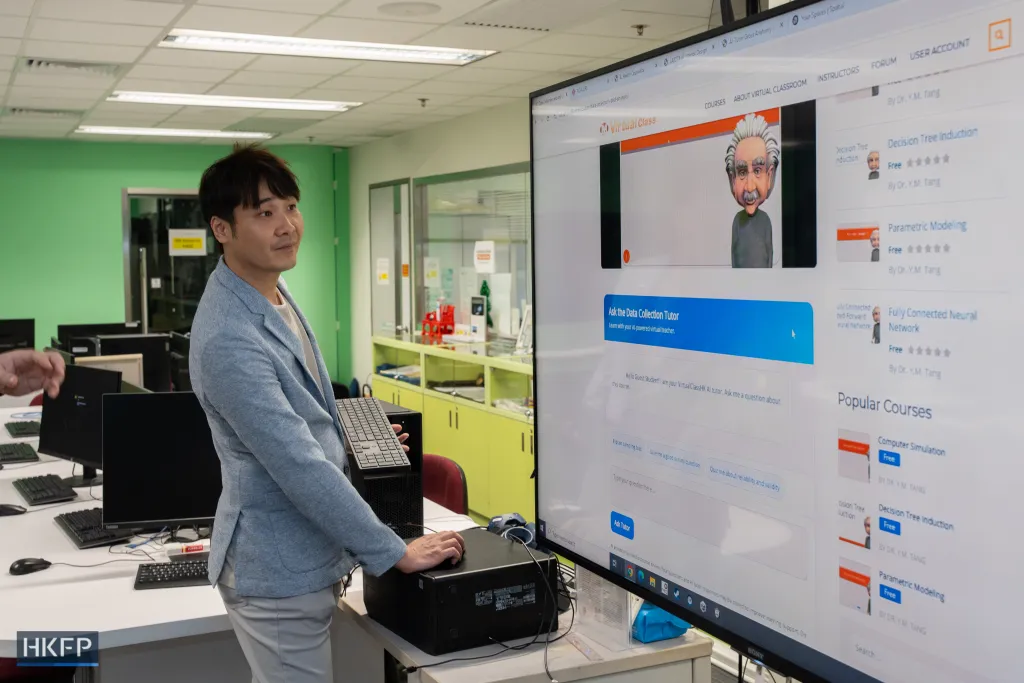
Among the interviewed academics, Dr. Y.M. Tang shared insights on the use of emerging technologies in teaching and learning. Drawing on his research in advanced information technologies, virtual reality, and AI applications, Dr. Tang discussed how digital tools can help personalise learning experiences and provide timely support to students.

The feature also highlighted related research on immersive learning, including studies showing that virtual reality and mixed reality can enhance student motivation and academic performance. These themes closely connect with RIVRT’s broader interest in intelligent and immersive technologies for education, training, and human-centred innovation.

Tang Yuk-ming

Tang Yuk-ming, senior lecturer at the Department of Industrial and Systems Engineering at the Hong Kong Polytechnic University. Photo Source: Kyle Lam/HKFP.

As AI becomes increasingly embedded in classrooms and workplaces, the article points to the importance of preparing students not only to use these tools, but to use them critically and responsibly. Rather than viewing AI as a replacement for teachers or professional expertise, the discussion suggests that future education should focus on strengthening students’ problem-solving abilities, judgement, and adaptability.

VR

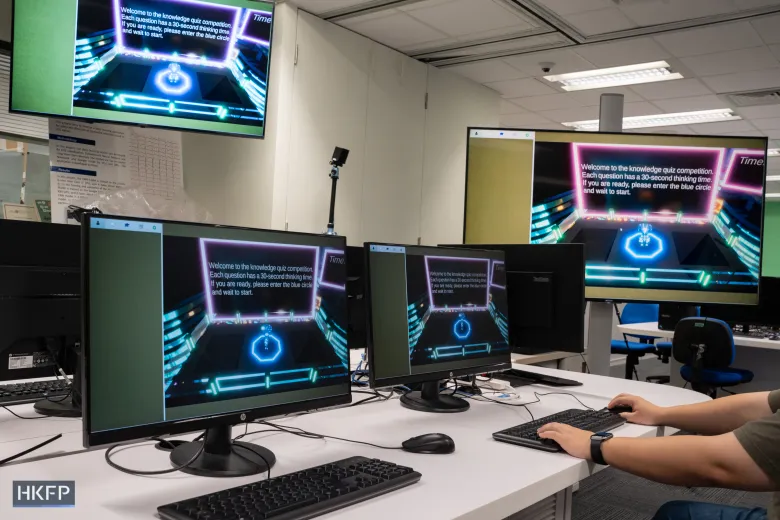
A virtual learning quiz game developed by the Department of Industrial and Systems Engineering at the Polytechnic University of Hong Kong. Photo Source: Kyle Lam/HKFP.

The full article is available on Hong Kong Free Press:
https://hongkongfp.com/2026/06/14/hong-kong-academia-rethinking-higher-education-as-ai-disrupts-teaching-and-learning/

Logifera Is Taking Off! Congratulations to Leo and Ivy on Their Learning Technology Startup Achievements

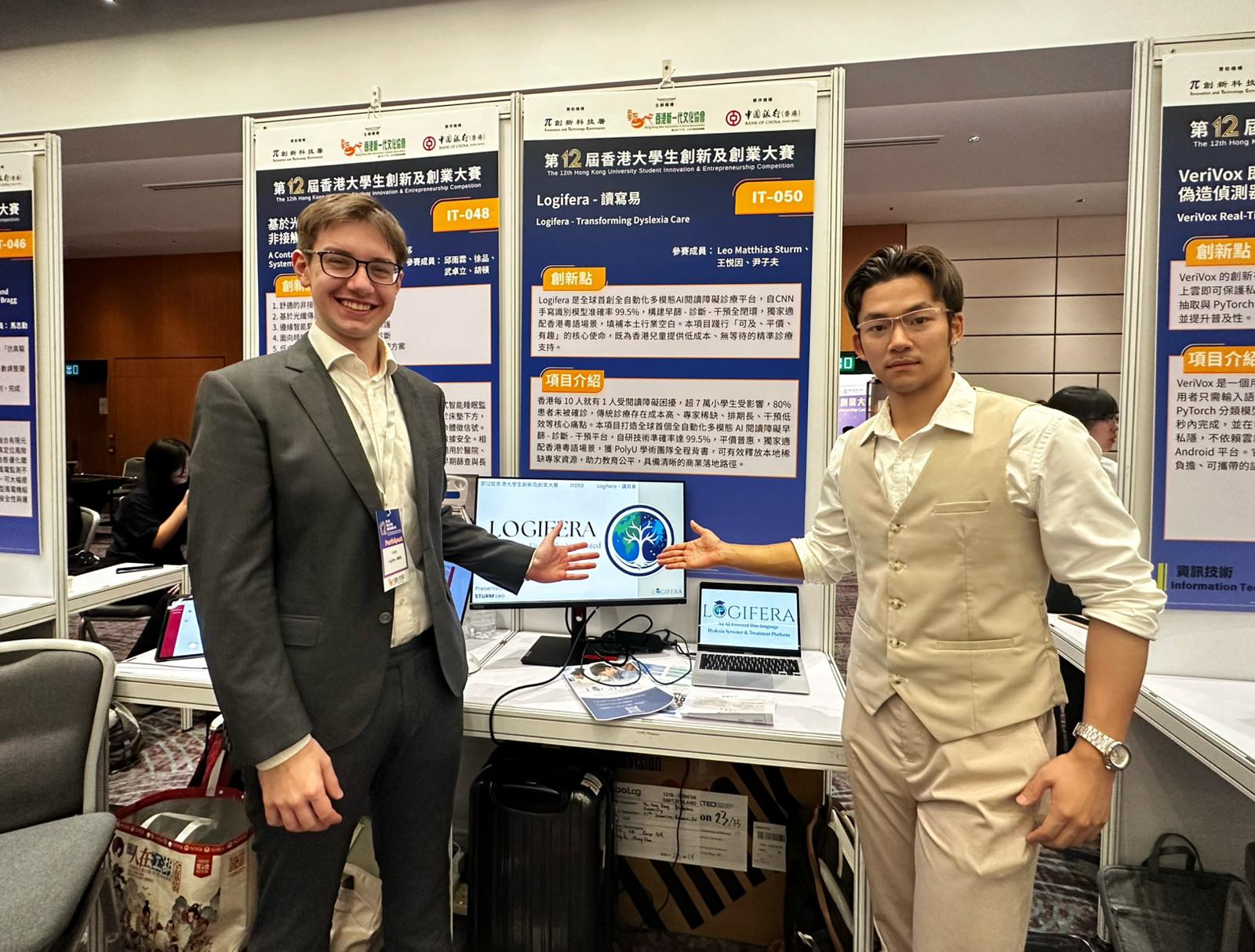
RIVRT is excited to congratulate Leo Matthias Sturm, Zi Fu YIN Ivy and Yueyin WANG Alex on the fantastic progress of Logifera — a student innovation project that is quickly growing into a promising learning technology startup. 🎉

Logifera began from Leo’s dyslexia-related project and has now developed into a platform that helps people better understand their learning profiles through free, science-backed screeners. 🧠✨

In simple words: Logifera helps learners find out why reading, spelling, maths, attention, or listening may feel harder than expected — and gives them a clearer starting point for getting support. 🌱

💡 What Is Logifera?

Many children, students, and adults struggle with learning challenges but may not know whether these difficulties are related to dyslexia, dyscalculia, ADHD, auditory processing, or something else.

Formal assessment can sometimes feel expensive, stressful, or difficult to access. Logifera aims to make the first step easier. ✅

The platform offers free online screeners that are:

  • Accessible — no credit card required 💳❌
  • Self-paced — users can complete the screeners in their own time ⏳
  • Evidence-informed — based on science-backed screening ideas 🔬
  • Practical — users receive immediate results and a downloadable report 📄
  • Low-pressure — designed as a starting point, not a formal diagnosis 🤝

Logifera is not a replacement for professional diagnosis, but it can help users understand their learning profile and prepare for a future consultation with a specialist.

🧩 Current Screeners

Logifera currently focuses on two major learning areas:

📖 Dyslexia Screener

The Dyslexia Screener looks at areas such as:

  • reading
  • spelling
  • phonological processing
  • handwriting
  • comprehension
  • related cognitive skills

It includes 15 assessments across three modules. 🧠

🔢 Dyscalculia Screener

The Dyscalculia Screener focuses on maths-related difficulties, including:

  • number sense
  • math facts
  • calculation
  • estimation
  • working memory
  • visual-spatial processing

It includes 14 assessments across three modules. ✍️

🔜 Coming Soon

Logifera is also preparing future screeners for:

  • ADHD
  • Auditory Processing Disorder, APD 👂

These additions will further expand the platform’s ability to support different learning needs.

🏆 A Big Step Forward: HK$45,000+ in Prizes and Funding

Logifera has already received strong encouragement from several innovation and entrepreneurship platforms.

So far, the project has gained more than HK$45,000 in prizes and funding support. 🎊

Recent achievements include:

  • KTEO Micro Fund 2025–26, Cohort II
    Funding support: HK$20,000 💰
  • KTEO FENG Ideation Funding Scheme 2025/26
    Award: Outstanding Entrepreneurial Idea
    Funding support: HK$5,000 🌟
  • HKSTP Ideation Programme
    Conditional offer of admission, with potential funding support of up to HK$100,000 🚀
  • HICOOL 2026 Global Entrepreneurship Competition
    Advanced to the 1st Round 🌍
  • The 16th National E-commerce “Innovation, Creativity and Entrepreneurship” Challenge — PolyU Round
    Award: 特等獎
    Prize: HK$15,000 🏅
  • The 16th National E-commerce “Innovation, Creativity and Entrepreneurship” Challenge — PolyU Round
    Award: 最佳創新獎
    Prize: HK$5,000 💡

These achievements show the strong potential of Logifera as a meaningful EdTech project with real social impact. 🌈

📅 More Competitions Ahead

The journey is not stopping here. Leo, Ivy, and the Logifera team are continuing to bring the project to more competitions and innovation platforms.

Upcoming or submitted competitions include:

  • HICOOL 2026 Global Entrepreneurship Competition — 2nd Round 🌍
  • The 16th National E-commerce “Innovation, Creativity and Entrepreneurship” Challenge — Hong Kong Round 🏆
  • PolyU International Future Challenge 2026 🔮
  • Young Professionals Exhibition and Competition, YPEC 2026 👩‍💻👨‍💻
  • James Dyson Award 2026 🛠️
  • The 8th Greater Bay Area Digital Education STEAM Excellence Award 2026 🎓

These competitions will help the team gain more feedback, sharpen the business model, and explore future opportunities in incubation, funding, and real-world deployment.

🌱 From Student Project to Real-World Impact

Leo, Ivy, and Alex have also been part of RIVRT’s Multi-level Competition-Based Learning with International Learning Exposure initiative.

Through this programme, students are encouraged to learn by doing — forming teams, developing research-based projects, joining competitions, presenting their ideas, and receiving feedback from academics, industry experts, and judges. 💬

Previously, RIVRT students and project teams achieved several exciting results, including:

  • Poster Session Best Presenters Award at ICEMT 2025 🖼️
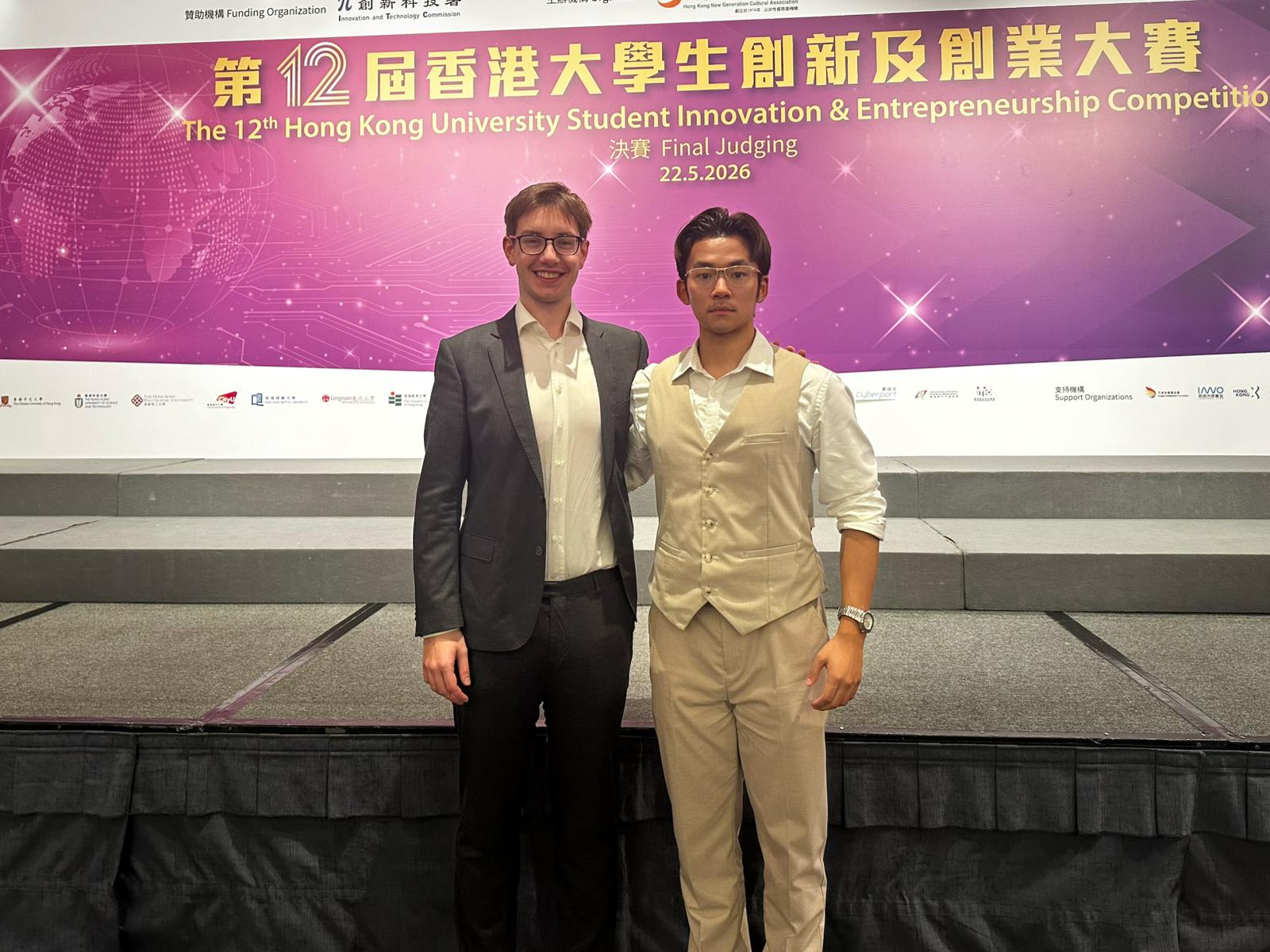
  • Merit Prize in Innovation & IT at the 11th Hong Kong University Student Innovation and Entrepreneurship Competition 💻
  • Silver Award at the 8th Global Competition on Design for Future Education 🥈

Logifera is a great example of what can happen when research, mentorship, competition-based learning, and entrepreneurship come together.

What started as a student project is now moving toward something bigger: a practical platform that may help many learners better understand themselves. 🌟

❤️ Why This Matters

Learning difficulties are often misunderstood. Many people grow up thinking they are “bad at reading,” “bad at maths,” or “not focused enough,” without ever receiving clear guidance.

Logifera aims to change that. ✨

By offering free and accessible screeners, the platform gives users an easier way to begin asking important questions:

  • Why do I struggle with reading? 📖
  • Why is mental maths so difficult for me? 🔢
  • Could my learning challenges have a deeper reason? 🧠
  • What should I discuss with a teacher, parent, therapist, or specialist? 🤝

This is exactly the kind of human-centered technology that RIVRT is proud to support — technology that does not only innovate, but also helps people. 💙

🎉 Congratulations!

RIVRT warmly congratulates Leo Matthias Sturm, Zi Fu YIN Ivy, and the Logifera team on these wonderful achievements.

We are excited to see Logifera continue to grow, compete, and develop into an impactful platform for learners of all ages. 🌍

Keep going, Team Logifera — this is only the beginning! 🚀