At RIVRT (Research in Intelligence and Virtual Reality Technology), we believe student development is an essential part of building impactful research. Every year, we provide hands-on opportunities for students to explore how emerging technologies—such as virtual/mixed reality, artificial intelligence, and digital systems—can be applied to real-world challenges. Under the guidance of our Principal Investigator, Dr. Yuk Ming Tang, students are encouraged to learn by doing: transforming ideas into prototypes, collaborating in teams, and communicating their work through demonstrations and deliverables.
Our student activities are designed to be interdisciplinary and practice-oriented. Participants can gain experience across the full workflow of applied research and development—such as ideation, user needs exploration, design and modeling, implementation, and evaluation—supported by our lab members with strengths spanning VR/AR development, AI, product design, and 3D modeling.
STEM Internship Programme
The STEM Internship Programme is one of the key student programs, offered twice each year in Summer and Winter. The program offers an immersive experience in applied technology research. Interns typically join ongoing projects related to virtual reality / augmented reality, 3D modeling, and AI-enabled applications, and contribute to tangible outputs such as interactive demos, 3D assets, or prototype modules. The internship emphasizes practical skill-building and real lab collaboration—helping students connect classroom knowledge with research practice and industry-relevant tools.
Throughout the internship, students work closely with our research team, learning how to develop and refine digital content for VR experiences, structure product concepts, and iterate designs based on feedback. This mentorship model is supported by team members whose interests include VR/AR, product design, 3D modeling, product architecture, and machine learning, providing interns with both technical guidance and a broader view of how different disciplines come together in RIVRT projects.
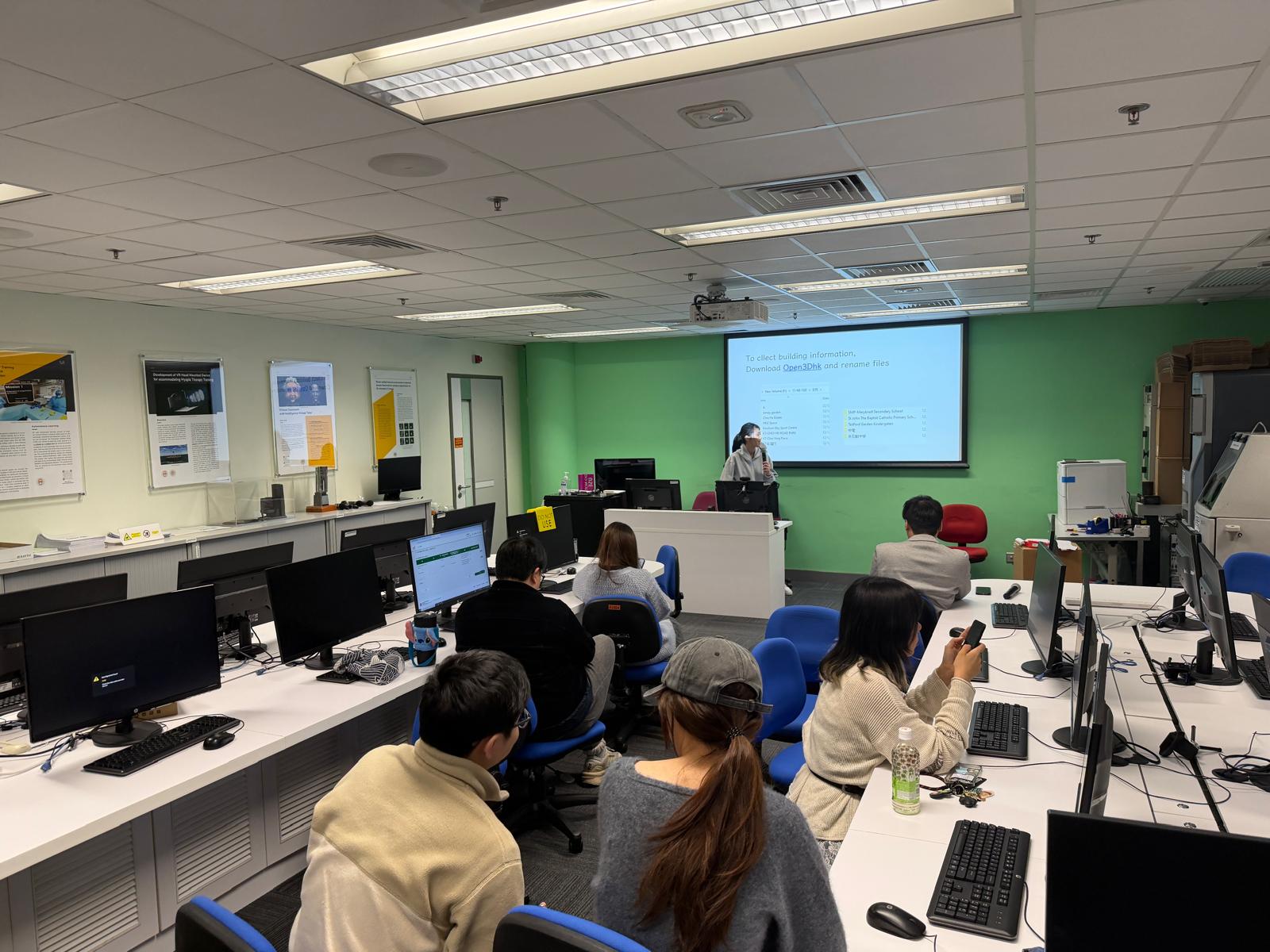
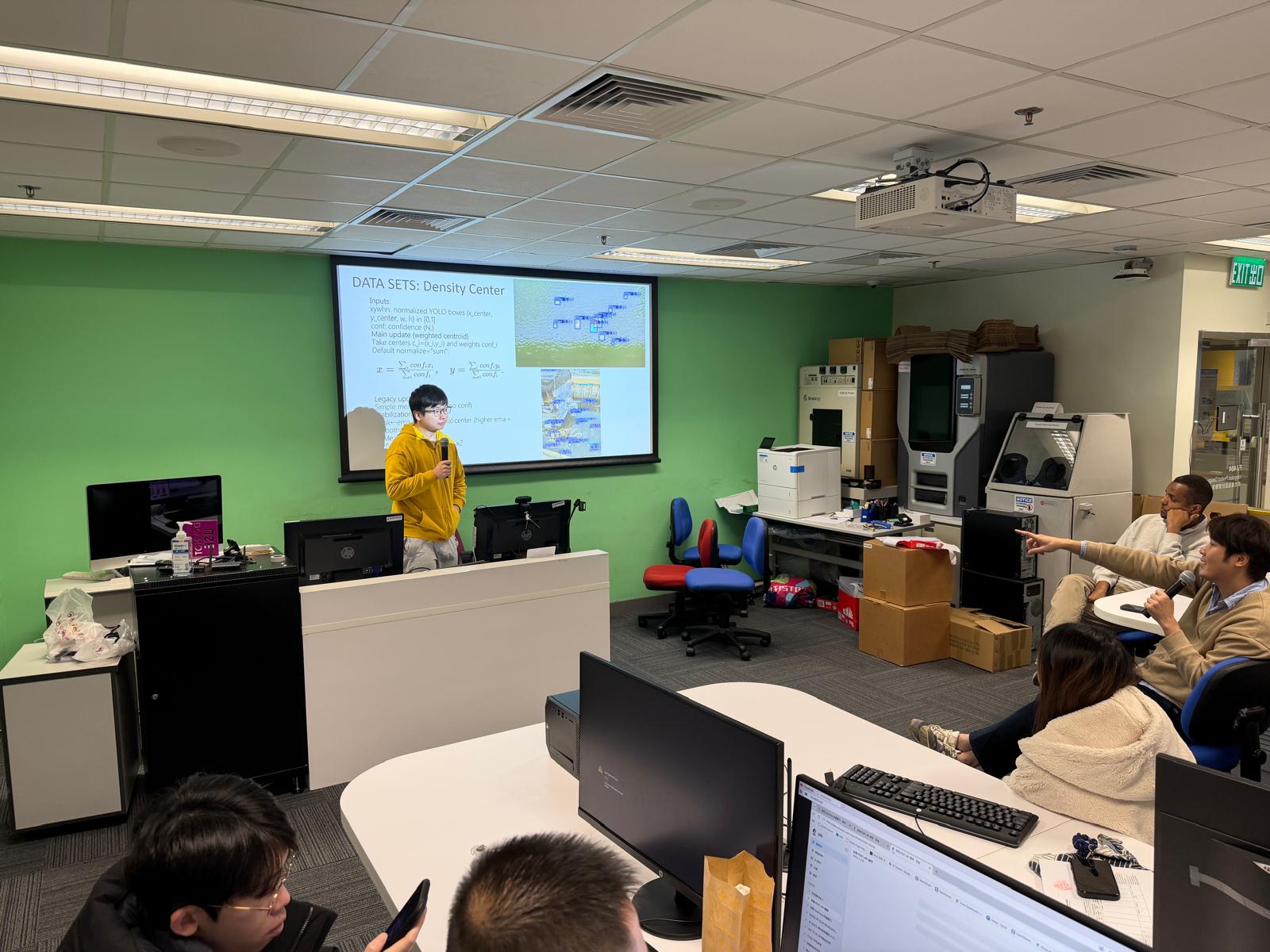
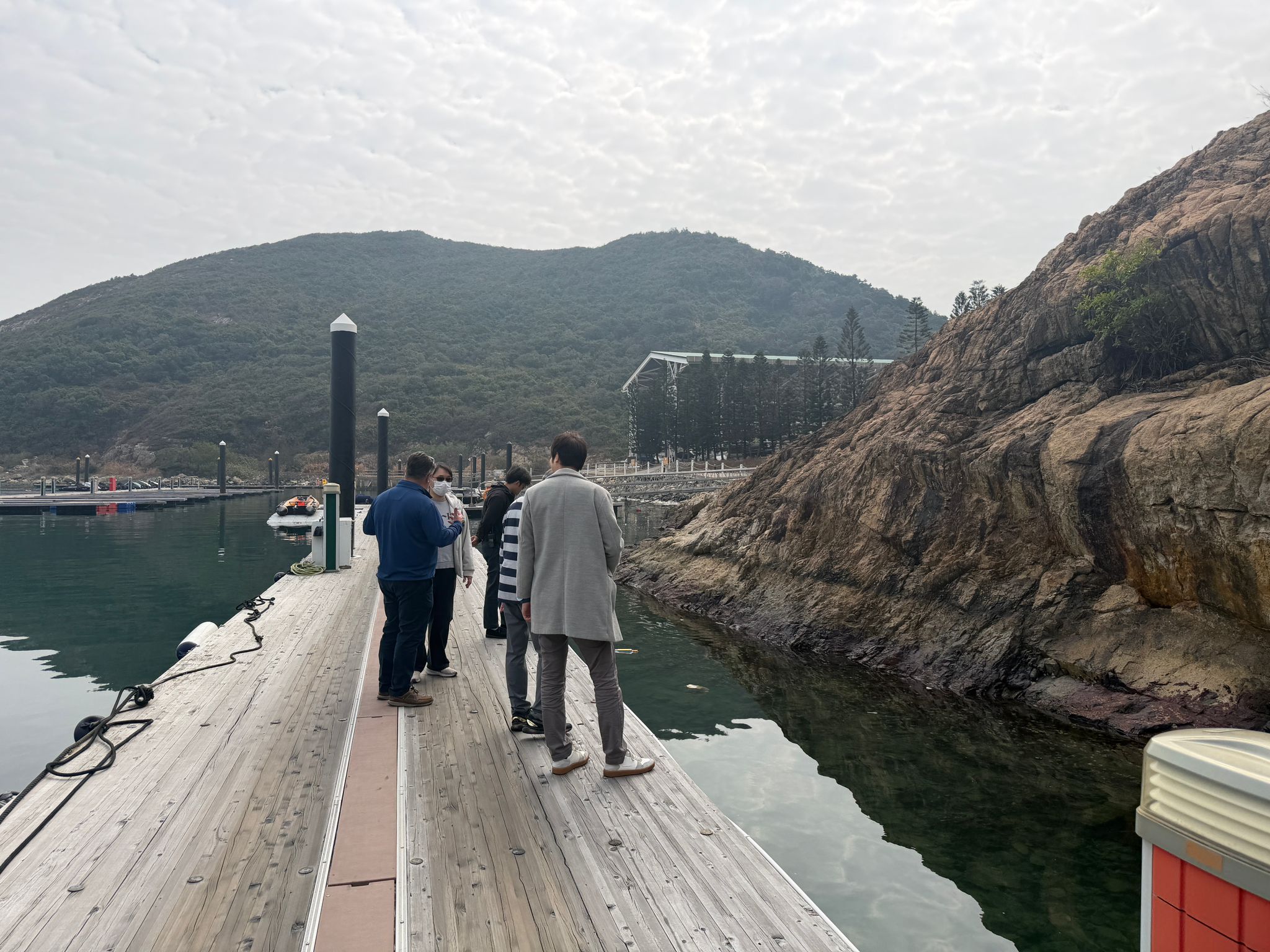
Winter STEM Internship 2025
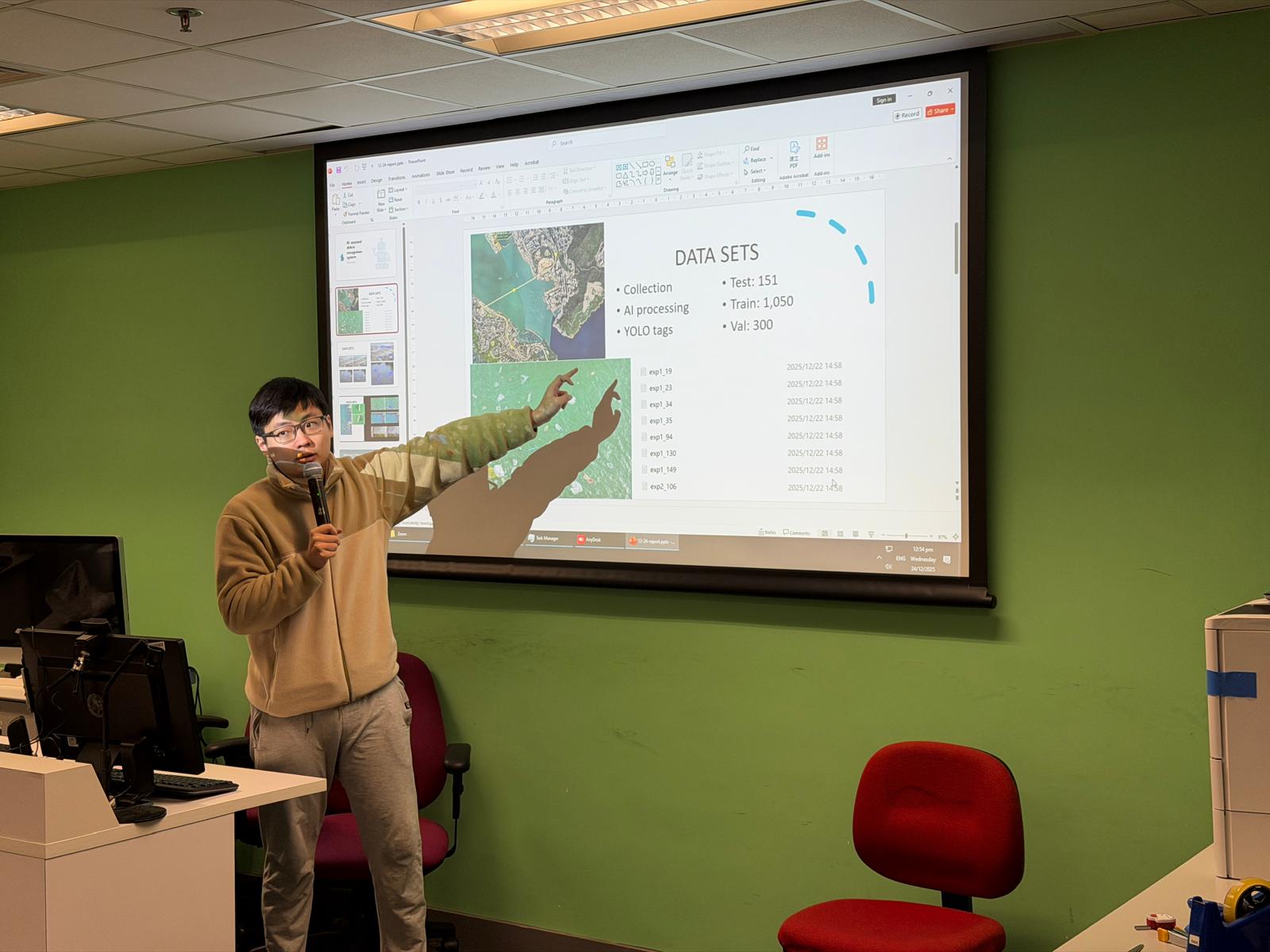
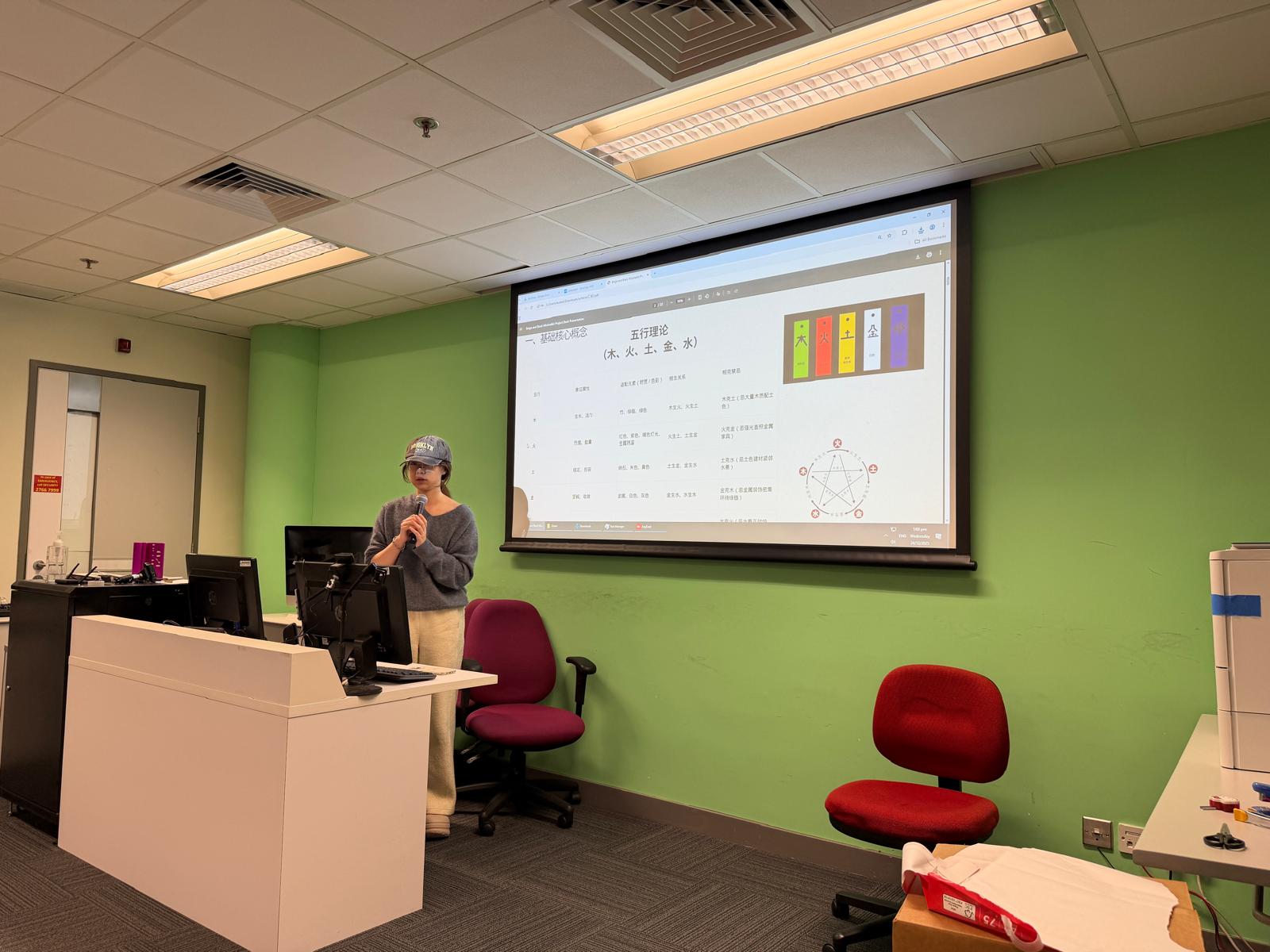
This year’s Winter STEM Internship (Winter 2025) showcased how our interns translate interdisciplinary ideas into concrete outputs. One intern focused on building a conceptual AI+VR Feng Shui–assisted interior design system, exploring how traditional Feng Shui principles used in Hong Kong homes can be transformed into digital indicators and data parameters. The intern documented a structured “Feng Shui principles → design indicators → data parameters” framework, and worked on early-stage concept development for AI-based compliance assessment and layout suggestions, alongside VR scenario demonstration planning and interface prototyping (e.g., workflow diagrams and UI pages developed with tools like Figma).
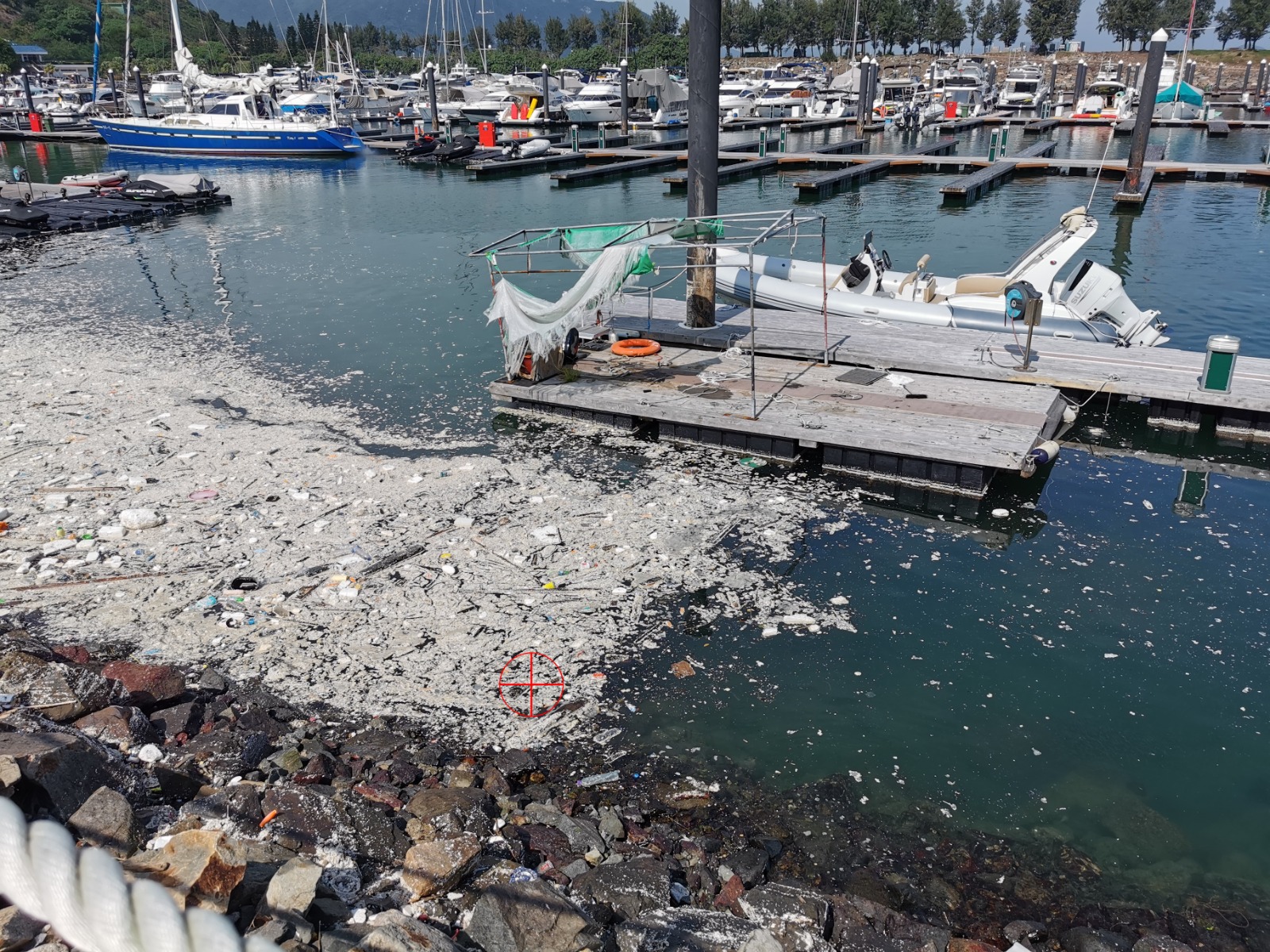
One of the intern students contributed to an AI perception module for a UAV-based workflow aimed at detecting floating debris on the water surface. The end-to-end concept involves UAV low-altitude cruising to capture water-surface images, sending video to a visual model for real-time debris detection, triggering downstream net deployment and GPS dynamic tracking, and enabling secondary recovery by a vessel. This project focuses on building a reliable detection prerequisite under real-sea conditions, including complex lighting and wave interference.
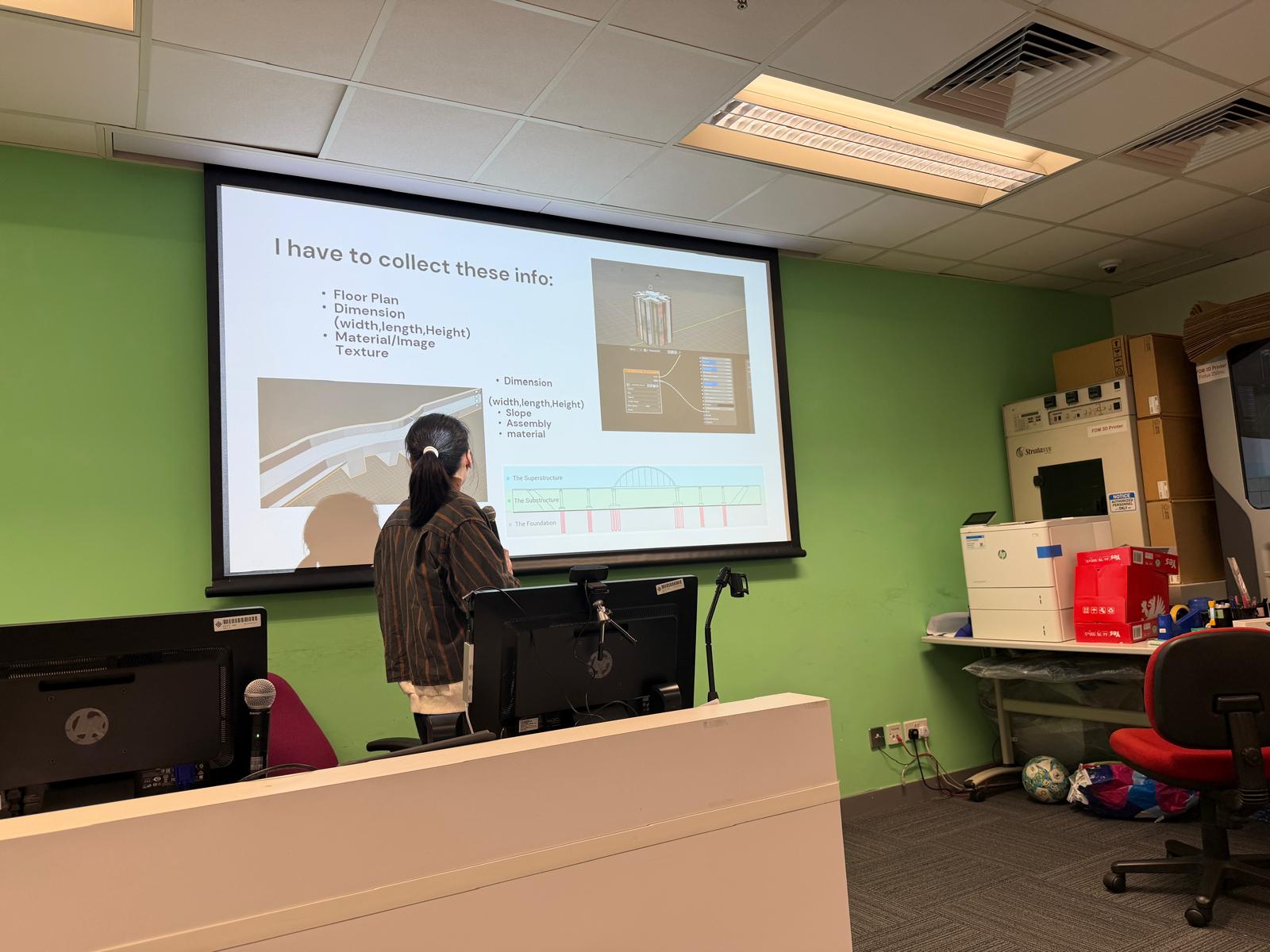
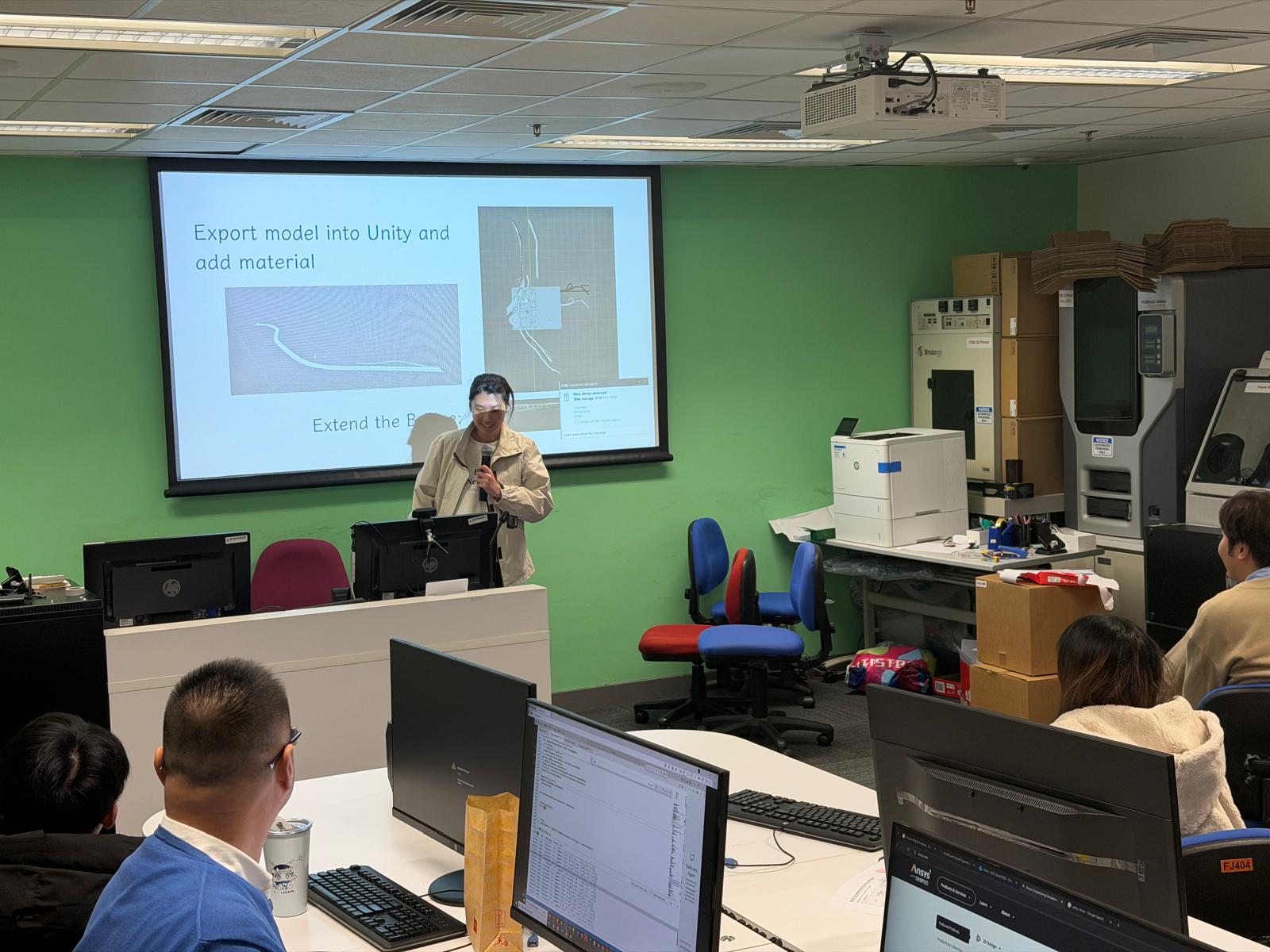
Another Winter 2025 intern developed core technical capacity in Blender and produced a practical digital asset: a low-to-medium polygon 3D model of a selected Kowloon Bay zone, optimized for performance and prepared for integration into the Unity engine. This work followed an end-to-end applied pipeline—learning foundational tools, collecting and interpreting reference materials (maps and architectural photos), modeling and refining geometry for real-time use—demonstrating the internship’s emphasis on real production constraints and reusable outputs for downstream VR/AI applications.
Across these projects, interns gained exposure not only to technical workflows (3D production, data structuring, prototyping, and real-time optimization), but also to research-style collaboration and iterative development, such as participating in progress sharing and review meetings and refining work based on feedback—reflecting RIVRT’s applied R&D culture at the intersection of extended reality and intelligent systems.